
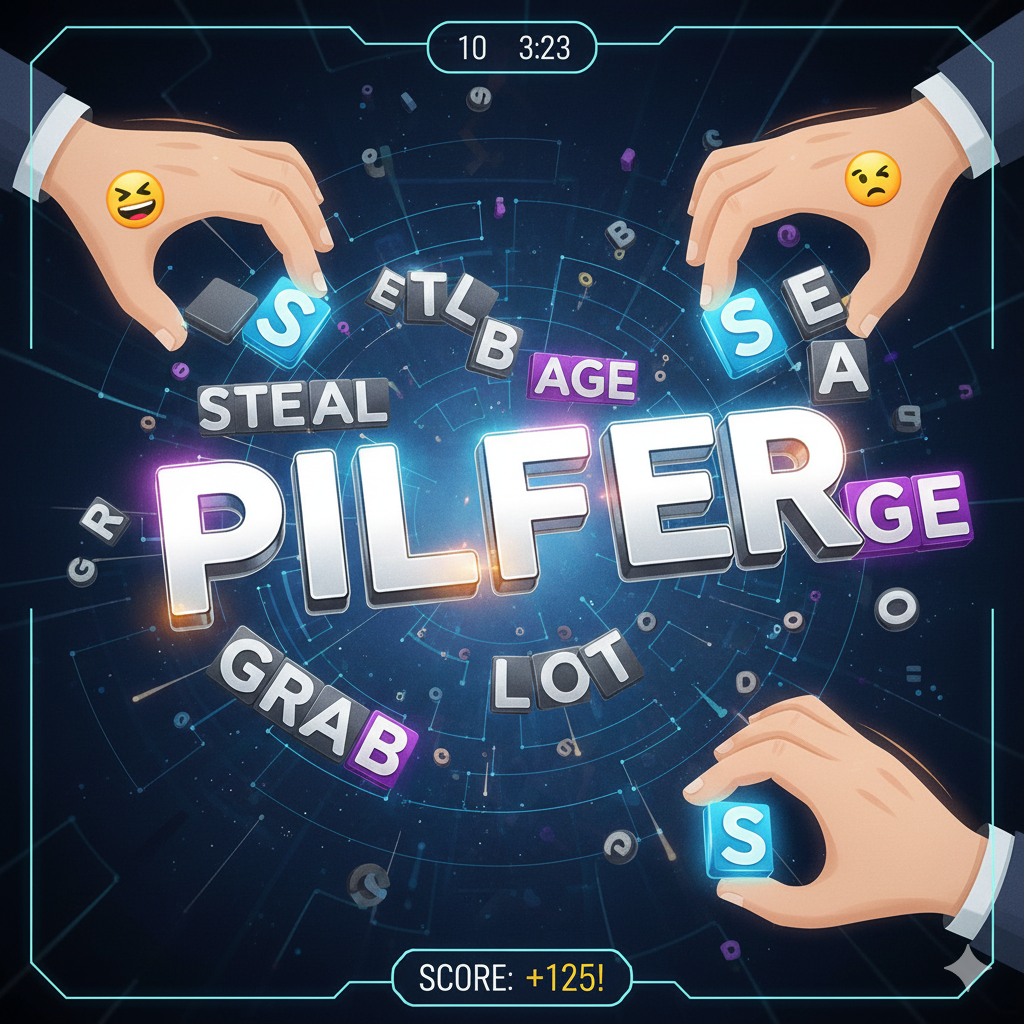
The pilfer game looks simple at first glance. you steal.you defend. you outthink everyone else.
Then a few rounds in, things change. Tension creeps in. Every move carries weight. One wrong decision can undo everything you built.
This in-depth guide explores the pilfer game from top to bottom. You’ll learn how it works, why it hooks players so quickly, and how to improve your chances of winning. Whether you’re brand new or already experienced, this article gives you real value, not fluff.
What Is the Pilfer Game?
The pilfer game is a strategy-driven game built around calculated theft. Players compete by stealing resources from opponents while defending their own. Victory comes from smart timing, not reckless moves.
Unlike many traditional strategy games, the pilfer game forces constant adaptation. No plan survives contact with other players.
“In the pilfer game, patience steals more than aggression.”
That mindset separates beginners from skilled players.
Understanding the Core Concept of the Pilfer Game
The pilfer game relies on three fundamental ideas:
-
Pilfering – taking resources from others at the right moment
-
Defense – protecting what you’ve earned
-
Deception – misleading opponents to gain an advantage
Each round feels like a mental duel. Do you strike now, or wait? Do you defend quietly, or bait someone into a mistake?
Origins and Evolution of the Pilfer Game
The pilfer game traces its roots to classic tabletop and card games that introduced stealing as a core mechanic. Designers later refined the idea, trimming unnecessary complexity while sharpening psychological tension.
Today, the pilfer game exists in several forms:
-
Physical board and card games
-
Online multiplayer pilfer game platforms
-
Mobile versions designed for fast matches
The rules stayed simple. The strategy evolved.
How the Pilfer Game Works
Understanding how the pilfer game functions makes it far more enjoyable. The rules rarely overwhelm players. The depth appears naturally over time.
Basic Rules of the Pilfer Game
Most pilfer games follow a similar structure:
-
Each player begins with limited resources
-
On your turn, you may steal, defend, or wait
-
Stolen resources transfer immediately
-
The game ends after a fixed number of rounds or when a win condition is met
Simple rules. Endless outcomes.
Pilfer Game Mechanics Explained Simply
Here’s how the main mechanics interact:
| Mechanic | Purpose | Impact on Gameplay |
|---|---|---|
| Pilfer Action | Steal resources | Creates tension |
| Defense | Reduce or block theft | Encourages planning |
| Risk Balance | Punishes greed | Keeps games fair |
| Scoring System | Rewards timing | Favors smart play |
Each mechanic reinforces the others. Remove one, and the pilfer game loses its bite.
Single-Player vs Multiplayer Pilfer Game Modes
-
Single-player pilfer game modes focus on optimization and learning mechanics
-
Multiplayer pilfer game modes emphasize psychology, bluffing, and unpredictability
Most fans prefer multiplayer. Human behavior keeps every match unpredictable.
Why the Pilfer Game Is So Addictive
The pilfer game doesn’t rely on flashy visuals or long sessions. It hooks players through emotion and uncertainty.
Psychology Behind the Pilfer Game
Stealing triggers powerful reactions:
-
Fear of losing progress
-
Excitement from successful theft
-
Regret after poor timing
These emotional swings create strong engagement. The brain craves resolution, which leads to “one more round.”
Fast Rounds and High Stakes
Most pilfer game matches finish quickly. That short loop keeps energy high.
Fast rounds deliver:
-
Immediate feedback
-
Rapid learning
-
Constant tension
There’s no downtime. Something is always at stake.
Pilfer Game Strategies for Beginners
New players often struggle because they act too fast. The pilfer game rewards restraint.
Essential Tips to Win at the Pilfer Game
-
Avoid pilfering in the opening rounds
-
Observe opponents before acting
-
Defend strategically, not constantly
-
Let others weaken each other
Smart restraint beats early aggression.
Resource Management in the Pilfer Game
Resources equal leverage. Treat them like currency.
Effective players:
-
Steal small amounts early
-
Protect large gains
-
Spend resources to disrupt opponents’ momentum
Think long-term. Short-term greed rarely pays off.
Advanced Pilfer Game Tactics for Competitive Players
Once everyone understands the rules, psychology takes center stage.
Mind Games and Bluffing in the Pilfer Game
Bluffing works because fear spreads faster than logic.
Effective tactics include:
-
Appearing weak while building reserves
-
Encouraging opponents to target each other
-
Striking when defenses drop
Silence often says more than action.
High-Level Pilfer Game Decision-Making
Elite pilfer game players share key traits:
-
They calculate risk quickly
-
They adapt without hesitation
-
They sacrifice early gains for late dominance
Winning late matters more than leading early.
Popular Variations of the Pilfer Game
Not all pilfer games feel the same. Variations add longevity.
Digital vs Physical Pilfer Game Versions
| Version | Advantages | Drawbacks |
|---|---|---|
| Digital Pilfer Game | Fast matchmaking, global play | Less social interaction |
| Physical Pilfer Game | Face-to-face tension | Slower setup |
Both formats reward skill. Preference depends on play style.
Custom Rules and House Variations
Many groups customize the pilfer game:
-
Limited steals per round
-
Protected resources
-
Bonus rounds or sudden-death endings
These tweaks keep the experience fresh.
Pilfer Game Compared to Similar Games
The pilfer game often gets compared to traditional strategy games.
Pilfer Game vs Strategy Card Games
-
Strategy games reward long-term planning
-
Pilfer games reward adaptation and timing
The constant threat of theft changes everything.
What Makes the Pilfer Game Unique
The pilfer game stands out because:
-
Every move affects other players directly
-
Momentum shifts rapidly
-
No lead feels safe
That uncertainty fuels replay value.
Who Should Play the Pilfer Game?
The pilfer game appeals to a wide audience.
Best Audience for the Pilfer Game
-
Casual players who enjoy quick sessions
-
Competitive gamers who love mind games
-
Friends and families seeking interaction
It fits both relaxed and competitive settings.
Skill Levels and Learning Curve
You can learn the pilfer game in minutes.
Mastery takes time.
That balance keeps players engaged long-term.
Where to Play the Pilfer Game
Online Platforms Offering the Pilfer Game
Several platforms host pilfer-style games. Look for:
-
Active communities
-
Transparent rules
-
Fair matchmaking
Always read the rules before joining.
Offline Options and Physical Copies
Many game stores carry pilfer-inspired board games. Some groups create DIY versions using cards, tokens, and simple rulesets.
Tips for Hosting a Pilfer Game Night
A good setup makes the experience better for everyone.
Setting the Mood
-
Ideal group size: 4–6 players
-
Keep rounds short
-
Encourage lighthearted competition
Keeping the Pilfer Game Fun and Fair
-
Explain rules clearly
-
Resolve disputes quickly
-
Rotate starting positions
Fair play builds long-term enjoyment.
Common Mistakes Players Make in the Pilfer Game
Avoid these common errors:
-
Stealing too aggressively early
-
Ignoring defense entirely
-
Targeting the same player repeatedly
-
Playing emotionally after losses
Control emotions. Improve outcomes.
The Future of the Pilfer Game
Trends Shaping the Pilfer Game Scene
-
Online competitive ladders
-
Streaming and content creation
-
Hybrid physical-digital formats
Interest continues to grow.
Why the Pilfer Game Isn’t Going Away
The pilfer game taps into timeless instincts: competition, risk, and reward.
Those never lose their appeal.
Frequently Asked Questions
Is the pilfer game based on luck or skill?
Skill dominates over time. Luck adds variety.
How long does a typical pilfer game last?
Most matches finish within 15–30 minutes.
Can beginners enjoy the pilfer game?
Yes. The rules are simple and forgiving.
Is the pilfer game suitable for kids?
Age-appropriate versions work well with clear rules.
Final Thoughts:
The pilfer game delivers tension without unnecessary complexity. It rewards smart thinking, punishes greed, and creates memorable moments every session.
If you enjoy games where psychology matters as much as mechanics, the pilfer game deserves your attention.






One Comment
Good